Workshop Facilitator Bios and Workshop Descriptions
Unearthing SPARCS of Creativity
Symposium 2026 - Sudbury
We are beyond excited to announce this year’s line up of amazing workshops and the incredible facilitators who will be bringing them to the 2026 Symposium!
Workshops and facilitators are listed in order of presentation day/time. The exact schedule will be released in the coming weeks.
Jillian Peever - The SPACE Upstairs
Unearthing Creativity Through Movement: Mental & Physical Reset Sessions for SPARC Symposium
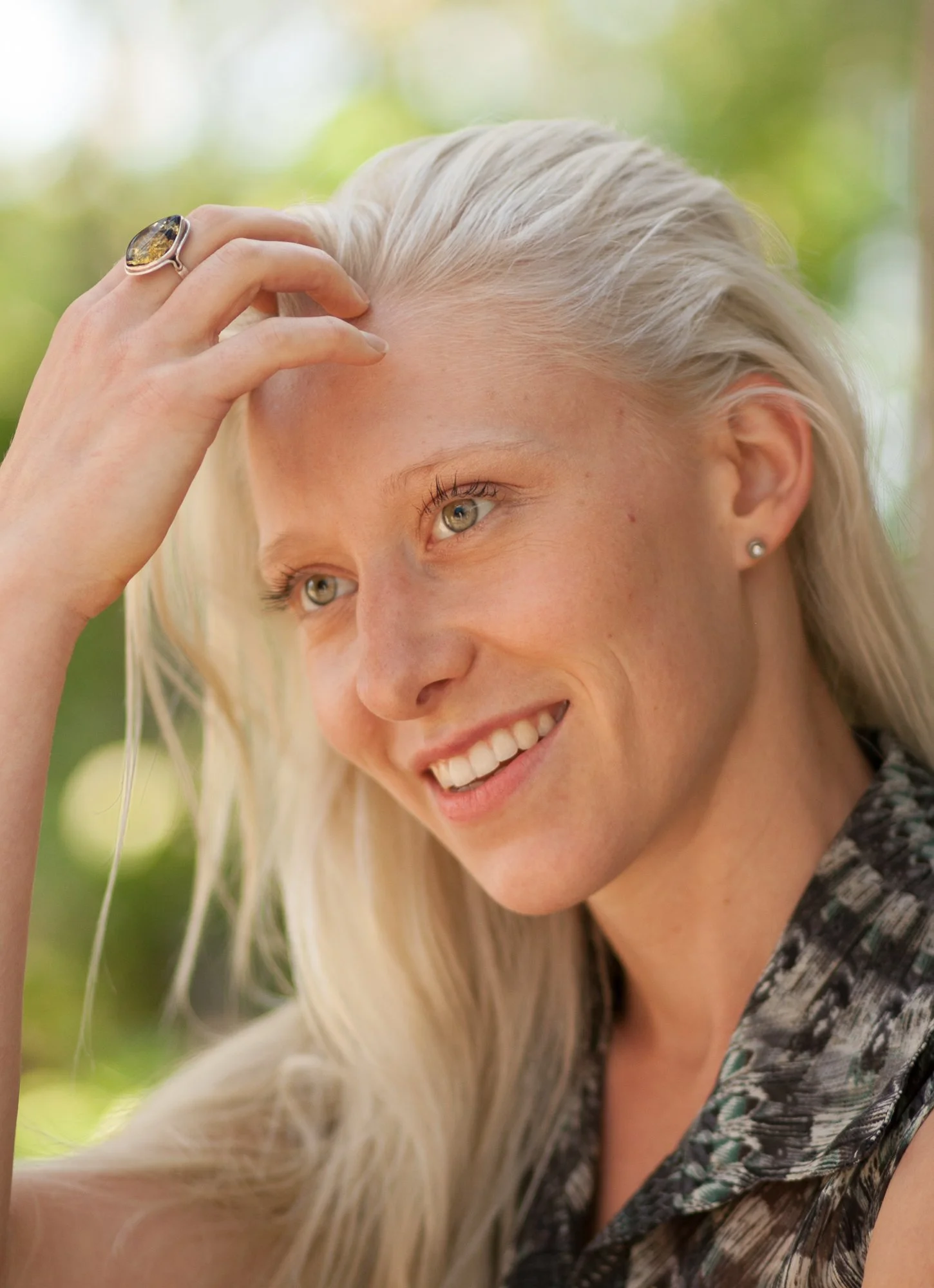
Image Description: Jillian smiles as she runs her hand through her long, blonde hair. She wears a large ring on her hand and it glistens in the sun.
Workshop Description: This shorter, energizing workshop is designed to give participants a physical and mental reset—whether at the start of the day or after lunch. Through simple, creative movement activities—accessible for all levels and adaptable for all bodies—we’ll explore how shared movement can break down barriers, encourage connection, and spark joy. Immediately after, Jillian Peever will share insights into how The SPACE Upstairs is using dance to foster resilience, inclusivity, and creativity in a small rural community.
Facilitator Bio: Jillian Peever is a dancer, choreographer, teacher, and arts advocate. Trained in Western forms, she gained confidence in her physicality and continues to grow creatively through experimentation and collaboration with artists in rural Ontario. She has performed on stages in Toronto, Ottawa, and Princeton, in festivals such as Luminato, Fringe, and Dusk Dances, and participated in international workshops including ImPulsTanz. Motherhood has shifted her work toward layered, community-rooted dance experiences that explore presence and connection. In Burk's Falls, she blends high-calibre artistry with accessible programming, making dance a natural, joyful part of rural life—a fuel that lights her world with open-hearted creativity.
Diane Davy & Stephanie Draker - Work in Culture
Creative Intelligence: Unearthing AI’s Role in Arts Administration
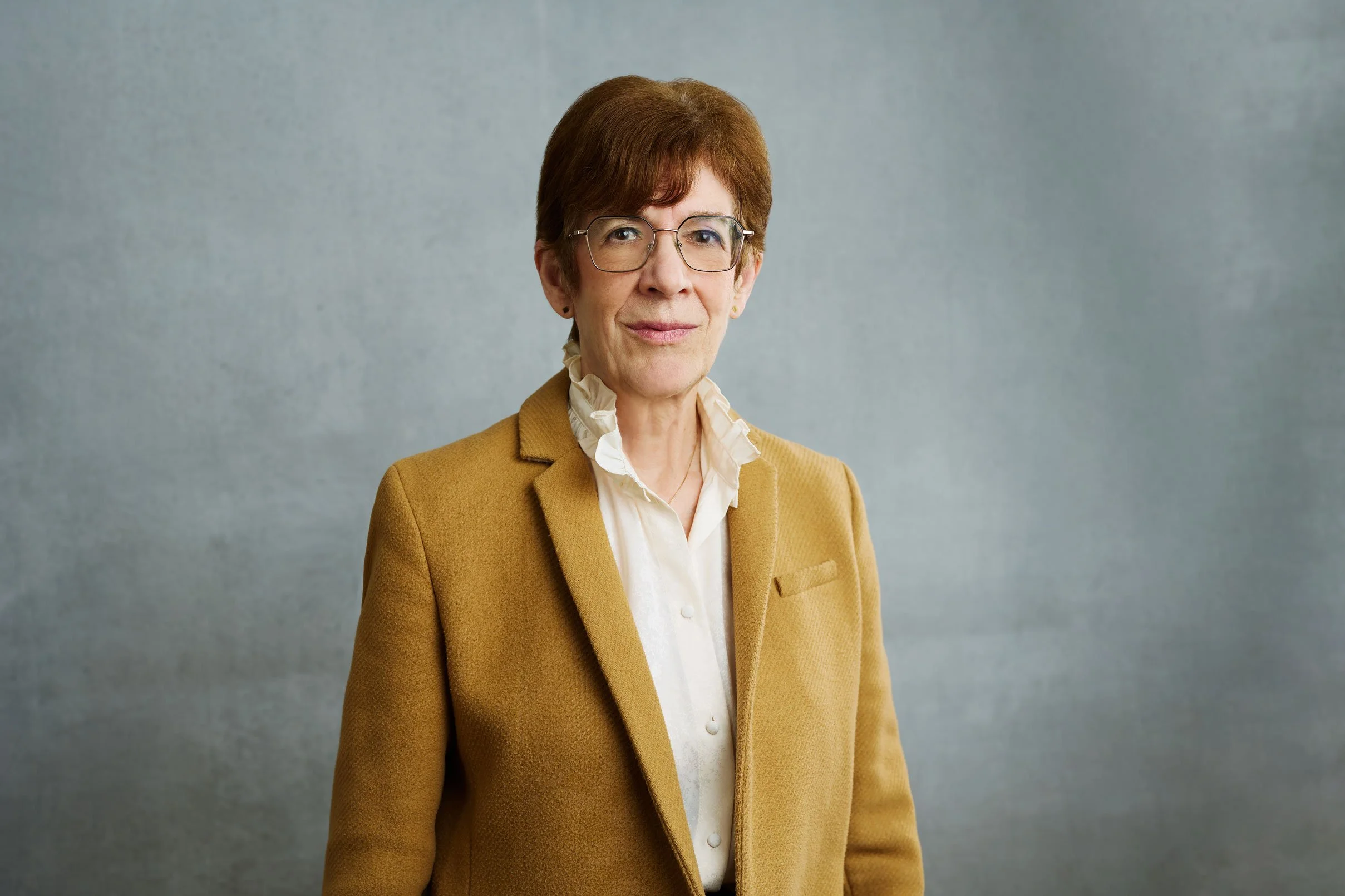
Image Description: Diane faces the camera. Her short, red hair is combed back and she wears glasses. She is wearing a mustard yellow blazer.
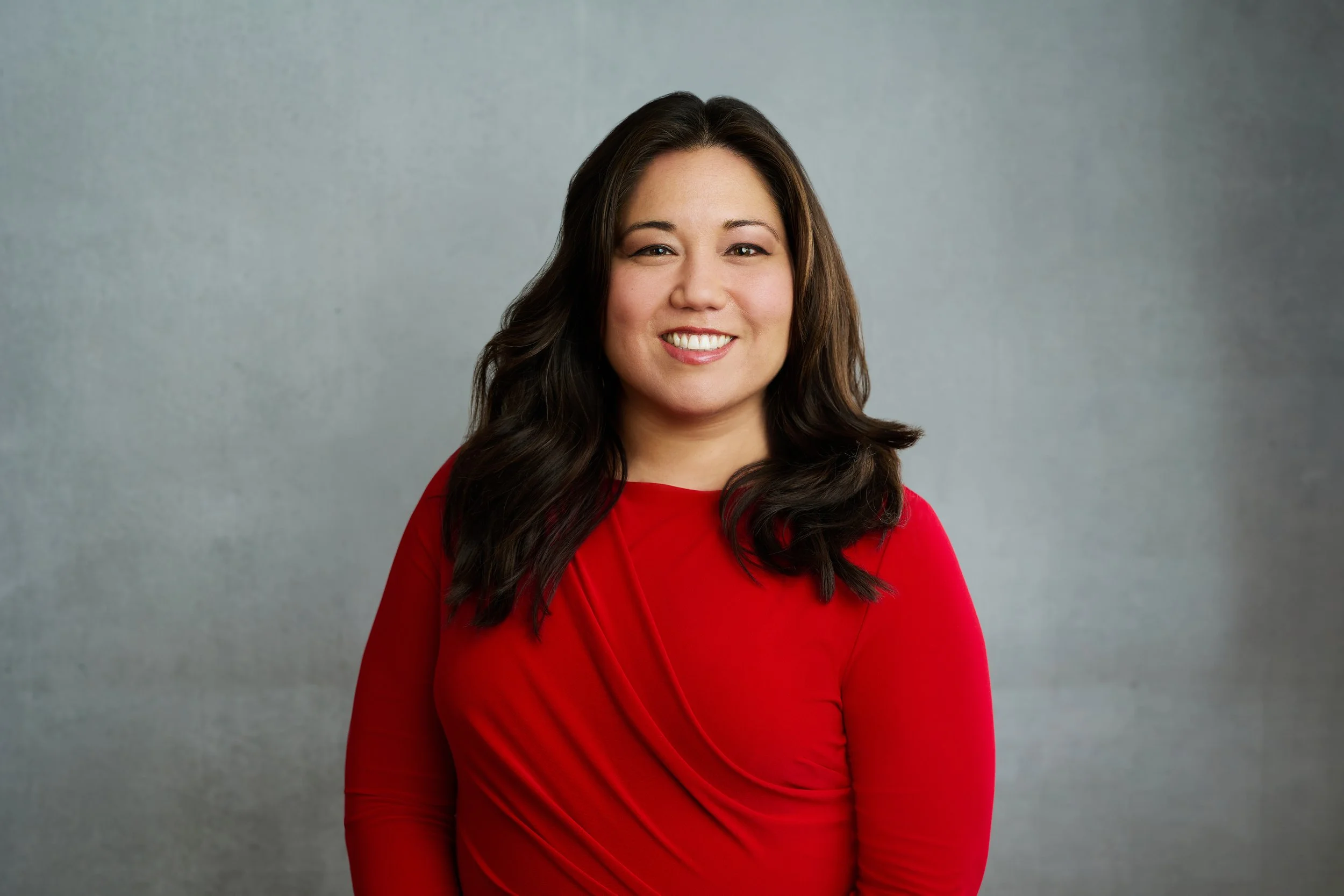
Image Description: Stephanie smiles at the camera. She is wearing a red top and her long, auburn hair is loose around her shoulders.
Workshop Description: This presentation offers a practical overview of how artificial intelligence (AI) tools are being integrated into the administrative and operational functions of arts organizations (of all sizes) and creative businesses. As the arts and sector faces increasing demands with limited resources, AI is emerging as a support system for streamlining workflows, improving data management, and enhancing organizational responsiveness and productivity.
Drawing from Work in Culture’s recent sector-wide research project, AI for Administration in Ontario’s Creative Industries: A Snapshot of Current Use, Concerns, and Considerations, and other cultural career development research, the presentation will highlight examples of AI adoption across Ontario’s arts and culture sector. We will explore the benefits of AI adoption
for operations, including improved efficiency, reduced manual workload, and enhanced decision-making. We will also highlight the tensions of AI adoption for administration, including data privacy and security, bias, transparency and accountability, and the need for digital literacy and infrastructure to support responsible implementation.
Participants will leave with a deeper understanding of how to engage with AI thoughtfully. The goal is to foster a grounded, sector-aware dialogue about what AI integration looks like in practice when it comes to administration and operational tasks, and what individuals and organizations need to consider as they move forward.
This session is ideal for those curious about AI’s administrative potential and looking for a space to reflect, ask questions, and learn from peers navigating similar terrain.
Facilitator Bios: Diane Davy has served as the Executive Director of Work in Culture since 2009. She believes strongly that by providing creators and creative workers with business and entrepreneurial tools and experience we can help them grow and sustain their creative practices and enterprises. She is also the President of Castledale, a consulting company specializing in the business of the cultural sector. Prior to starting Castledale, Diane had a long career in book and magazine publishing, including as President of Key Porter Books and as Publisher of OWL, Chickadee and Chirp Magazines and OWL Books for children.
Stephanie Draker is a Toronto-based arts manager with extensive experience designing and delivering programs that support Ontario’s cultural workforce. As Program Manager at Work in Culture, she leads initiatives focused on business and entrepreneurial skills training for artists and arts workers and administers the Catalyst and Transformation Fund to help arts organizations implement meaningful changes to their operations. She holds a BFA from York University and has exhibited as a visual artist and craft artist. Stephanie is a 2024 Toronto Arts Council Leaders Lab Fellow and a passionate advocate for the arts as a catalyst for community building and innovation.
Lisa Poushinsky - Kemptville Street Piano & Voyageur Art & Music School
Meet the Exquisite Corpse: A Surrealist Introduction to Creative Collaborations
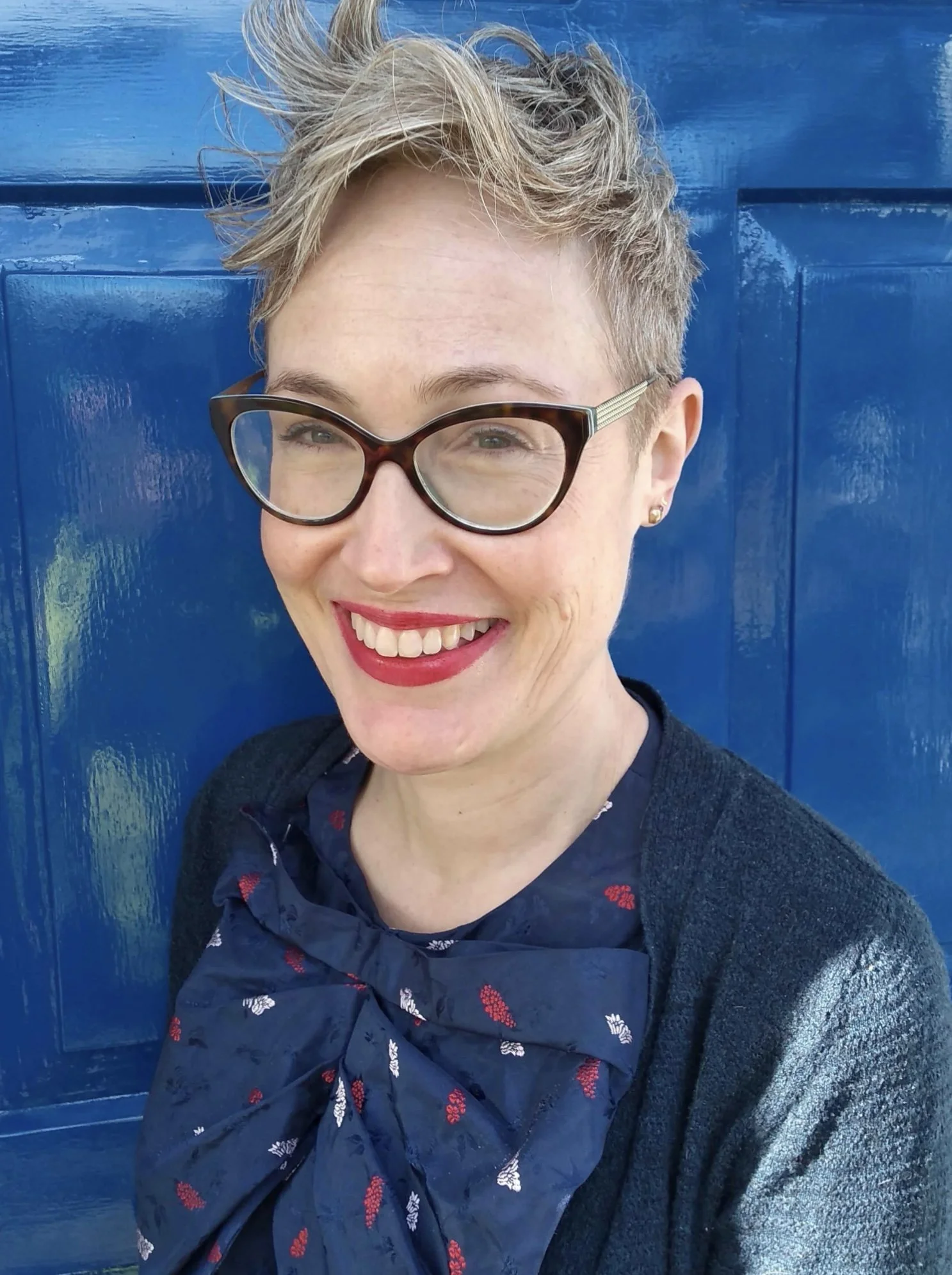
Image Description: Headshot of Lisa Poushinsky, a smiling white middle-aged woman with glasses and short light hair, wearing a navy blue blouse and sweater, standing in front of a blue door.
Workshop Description: Are your creative juices jammed? Want to work on projects with others but aren't sure how to start? Curious about creative thinking in a group context? Or, simply, wanting an hour of creative play with like-minded people? If so, this workshop is for you. Open to all, no prior experience or specific background necessary.
Join Lisa Poushinsky, writer, artist, musician, teacher, collaborator, and Art Happening Host extraordinaire for an hour of guided communal creative exploration. We'll start with a brief discussion of the challenges faced by creative collaborators, set some communal rules, and then, let the games begin! Using tricks and techniques dating back to the Surrealist movement of the 1920s, we'll split into groups of various sizes. Like the creative thinkers who came before us, we'll work on "liberating the mind from the constraints of reason and logic" through an hour of play, where the form of expression (writing, drawing, movement, music*) is up to you. Participants should walk away with the satisfaction of an expressed unconscious, new friends, new tools to unlock blocked creativity and, for those who wish to, further explore the depth and potential of the human psyche.
*Some art supplies, paper, and pencils will be provided, but no musical instruments. Feel free to bring your own!
Participants are asked to bring an object they are comfortable passing around, a kind heart, and an open mind. Because this is about working with others, you may encounter some emotional challenges during the workshop, but rest assured, making a safe space for expression and connection is our #1 priority.
Facilitator Bio: Lisa Poushinsky lives in Bishop's Mills, Eastern Ontario, and has enjoyed creatively collaborating with others since she attended Canterbury, an Ottawa arts high school. Lisa is the director of Voyageur Art & Music School, runs the Kemptville Street Piano summer concert series, is co-founder of the Twilux Lantern Parade, and loves starting new projects involving partnerships and cultural experiences for rural communities. You can find Lisa playing in bands, singing in choirs, blowing glass, hosting all manner of creative happenings, and improvising music and visual art with friends around the Ottawa Valley.
Eric Goudie - Fergus Grand Theatre, Community Presenters’ Network, & Grinder Productions
Are you building Switzerland? How to Run a Performing Arts Venue in a Growing Rural Community
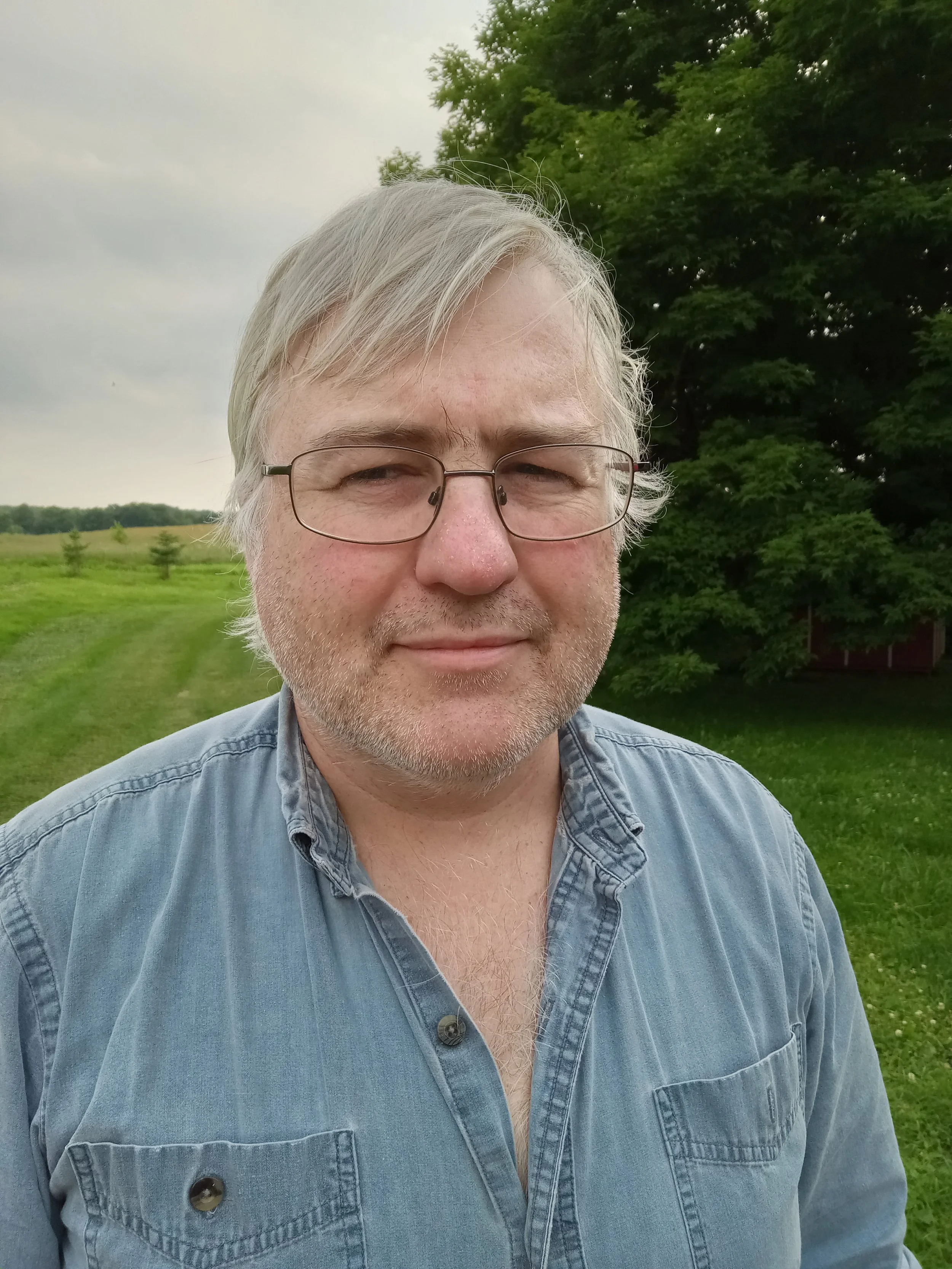
Image Description: Eric stands in a field and looks at the camera with a small smile on his face. He wears glasses and a blue chambray shirt.
Workshop Description: This workshop will cover the basics of running a performing arts venue in a rural community, and some of the challenges that come with it. We’ll look at how a space can transform from private ownership to municipal asset, and the growth of a diverse rental client and audience base that that can entail. The workshop will cover many practical tools of venue management: the booking calendar, the “need-to-know” information, the best answer to the question “how much does it cost to rent your theatre?” We’ll look at some best practices for contracts, patron services, technical support, etc, as well as how to handle event settlements and long-term stewardship.
Handouts and templates will be provided. The workshop will conclude with the different forms that performing arts spaces can take: public/private, stand alone or connected to other functions, full-time or part-time, etc. We’ll also look at the various types of relationships venues can have with events, from straight rentals to full presenting, and everything in between. We’ll come back to the beginning, and look at the various types of audiences that may live in a rural community, and how a venue has both an obligation and an opportunity to create a space where everyone feels like they belong.
Ultimately, perhaps, running a performing arts venue in a rural community is about building “Switzerland” – a neutral space where everyone feels like they belong. Maybe that is essential for community buy-in and long-term operational stability. Discussion on this question will be encouraged.
Facilitator Bio: Eric Goudie is a genre-blending artisan enjoying a rich, diverse and fulfilling career in the creative and performing arts. He serves as the Theatre Coordinator of the Fergus Grand Theatre for the Township of Centre Wellington, working in the venue in one capacity or another for most of the past thirty years. Eric is the founding chair of the Community Presenters’ Network, an organization of small-scale performing arts venues and presenters throughout Ontario. A prolific playwright, Eric produces and directs shows every summer at a place called the Ennotville Historical Library with his own theatre company, Grinder Productions. He lives in a 150 year-old log home on his family-owned farm with several cats, too many chickens, a few ducks, 150 goats and Julie, the inspiration and love of his life.
Erin Ball & Maxime Beauregard - InterComplementary Journeys
Slowing Down
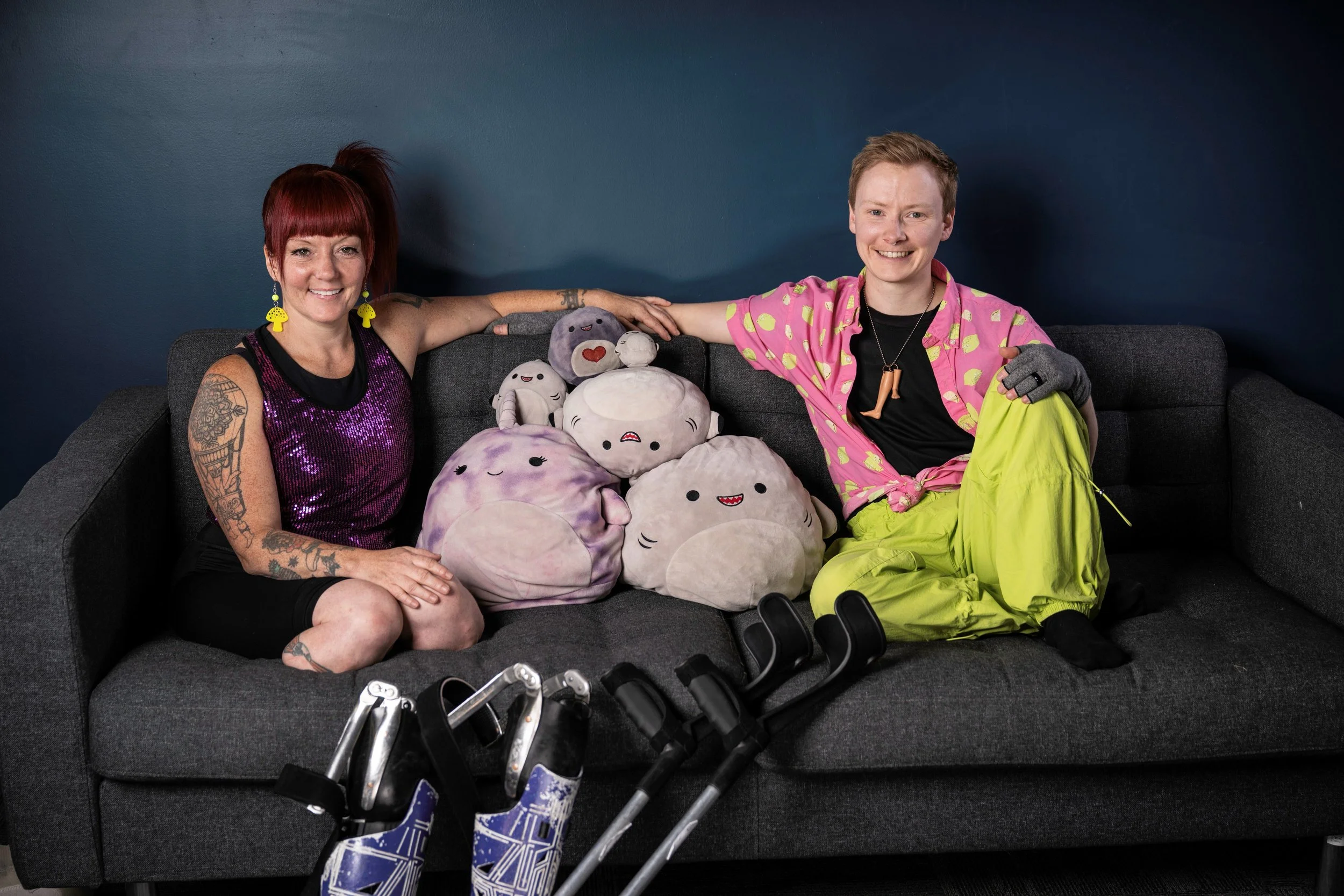
Image Description: A family portrait of Maxime and Erin, two white Disabled nonbinary neuro non-conforming (neurodivergent) humans, sitting on a couch in bright and vibrant outfits. Between them is a pile of round plushies of various sizes which they affectionately call their kids. Though seemingly inanimate, each of the kids has a unique personality and they are very much alive to Erin and Maxime. Everyone in the photo smiles. Leaning against the couch are Erin's prosthetic legs and Maxime's forearm crutches.
Photo by Benjamin Laird.
Workshop Description: Slowing Down-striving to resist urgency while slow touring. This talk led by Queer and Disabled circus artists Erin Ball and Maxime Beauregard will share their journey from a slow touring pilot project with Ontario Presents to now slow touring full-time in more sustainable ways and slowing down to find more alignment. This talk and presentation is low vision friendly and strives to be a relaxed environment.
Facilitator Bios: Erin Ball (ze/zir) and Maxime Beauregard (they/them) are InterComplementary Journeys. They are both white, Queer, neuro non-conforming, and Disabled artists who seek to shift barriers in performance art. They are the creators of a course on Accessibility/Disability in Movement Practices.
Both Erin and Maxime work as performers, coaches, choreographers, producers, accessibility consultants, and workshop facilitators. They are catalysts for change; empowering multiply marginalized Disabled artists, advocating for Disability-led art, challenging industry norms, and striving to create more accessible/welcoming spaces. Their work strives to reach as many people as possible with innovative artistry brought wherever they go.
Patrick Raftis
Press Ready: Writing Effective Press Releases for Rural and Small-Town Media
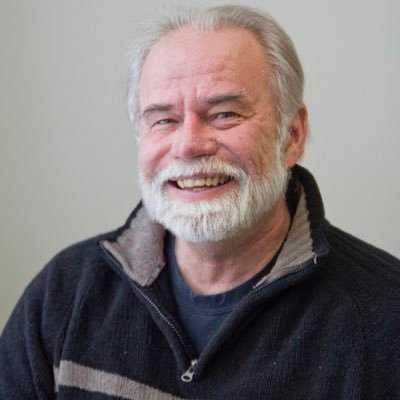
Image Description: Patrick smiles broadly at the camera with a happiness that is apparent. He is wearing a dark grey top with the collar open.
Workshop Description: Not everyone considers themselves a writer, but with a few simple techniques, anyone can create an effective, print-ready press release. Using a PowerPoint presentation, I’ll share the key “do’s and don’ts” of writing releases that get noticed—including examples of what makes it into print and what doesn’t.
Participants will gain insight into how editors select stories, learn when and where to submit releases for best results, and discover how a single base release can be adapted for other media such as radio, websites, and social platforms.
The session will include a practical component, giving participants a chance to draft their own press release. I’ll also offer to provide feedback after the session for those who wish to refine their work further.
Facilitator Bio: Patrick Raftis is an award-winning journalist with over 40 years of experience as a reporter, editor, and mentor in rural Ontario. He also serves as volunteer Publicity Director with the Grey Wellington Theatre Guild. A passionate supporter of arts and culture, Patrick understands the challenges performers face when seeking media attention and offers practical tips to improve the odds of securing free, effective promotion in print and broadcast media. Using insider understanding of media requirements and standards, Patrick will demonstrate the basics and subtleties of writing an effective press release and getting into print.
Bridget MacIntosh - Cultural Strategist
Strategic Arts Planning in Rural and Remote Communities: From Policy to Practice
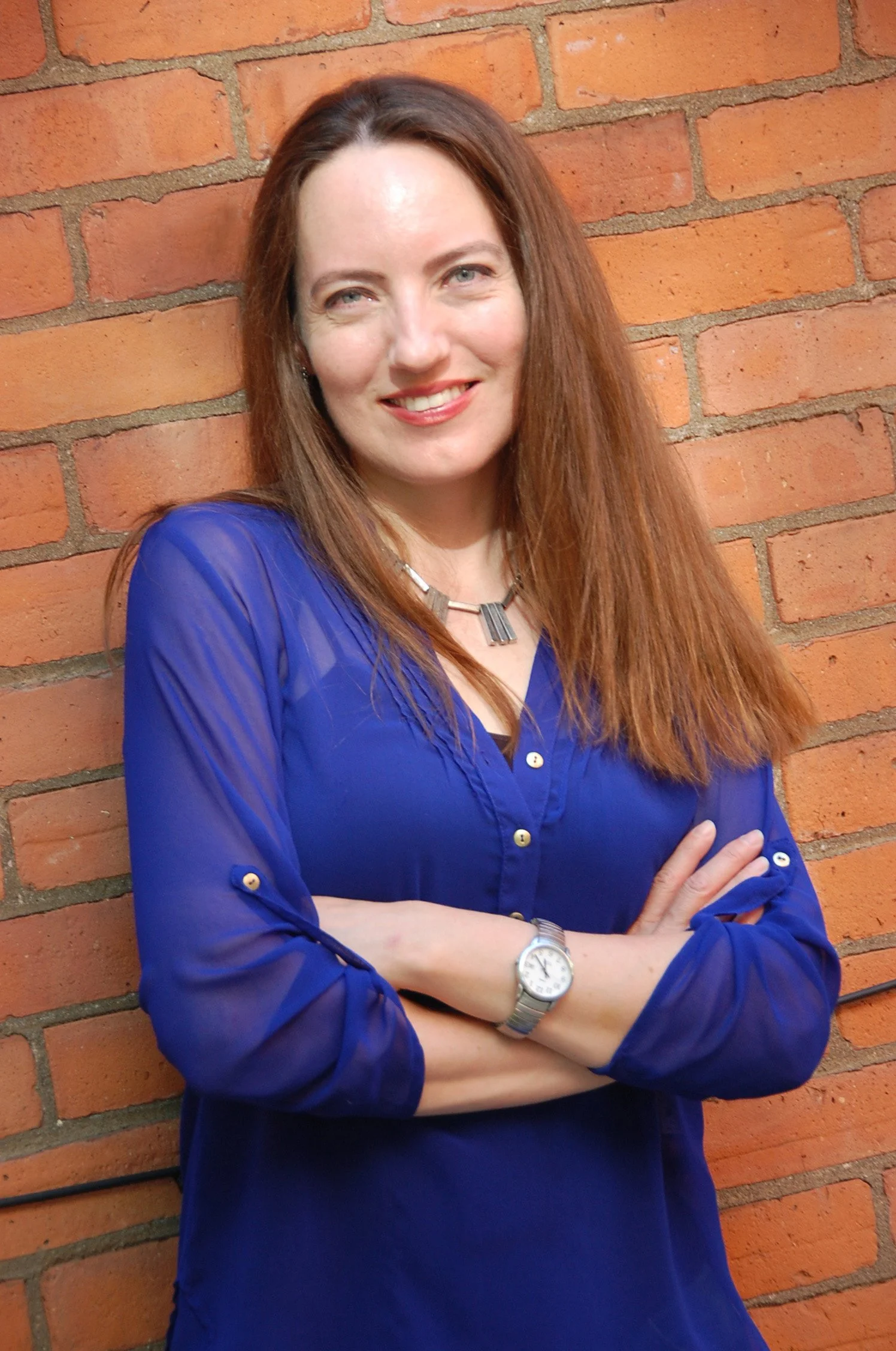
Image Description:Bridget stands facing the camera, smiling, with her arms crossed easily. Her long, auburn hair is loose around her shoulders and compliments the blue buttoned shirt she is wearing.
Workshop Description: As rural and remote performing arts communities emerge from the pandemic, they face rapidly changing conditions: shifting audience behaviours, reduced workforce capacity, changing funding models, and the ongoing need to balance digital and in-person practices. At the same time, new opportunities are emerging for regional collaboration, shared services, and stronger local cultural policy connections.
This workshop will share strategic planning insights from Bridget’s work as one of Canada’s leading cultural planners. Participants will explore practical methods for aligning local performing arts initiatives with broader cultural policy and for building resilient networks in resource-limited contexts.
Aligning with SPARC’s own four guiding strategic questions: Relevance, Necessity, Focus, and Capability, participants will test how these lenses can be applied to their own organizations and communities. Through interactive exercises, case stories, and peer discussion, participants will leave with tools for clarifying priorities, focusing resources, and building stronger partnerships across sectors.
Facilitator Bio: Award-winning Cultural Strategist and Creative Producer, Bridget MacIntosh is one of Canada’s leading cultural planners. She has held senior municipal management positions across the Greater Toronto Hamilton Area (GTHA) with dynamic portfolios spanning arts, cultural policy, grants, public art, placemaking, and festival producing, ranging from small-scale activations to production of major cultural events such as Nuit Blanche Toronto, JUNO Award Host City festivities and the Toronto Fringe Festival.
Bridget has continued to build on her foundational work in the performing arts and cultural public service sectors and is recognized as a respected senior arts leader, knowledgeable advisor, a trusted strategic voice and architect of transformation. She collaborates cross-sectorally with arts organizations, academia, design studios, businesses and municipalities across Canada and internationally – engaging, questioning, facilitating, collaborating and designing programs and new ways of thinking and doing to build resilient cities, communities, networks and cultural organizations.
She is the founding Co-Chair of Mass Culture’s Research Working Group, a PlacemakingX Advocate, and has been recognized as a Toronto Arts Council Cultural Leadership Lab Fellow, a Next City Vanguard Civic Leadership Fellow, and an International Network for Contemporary Performing Arts (IETM) Global Connector.
DJ Seith
RAPP BNGO: Making Room For Play
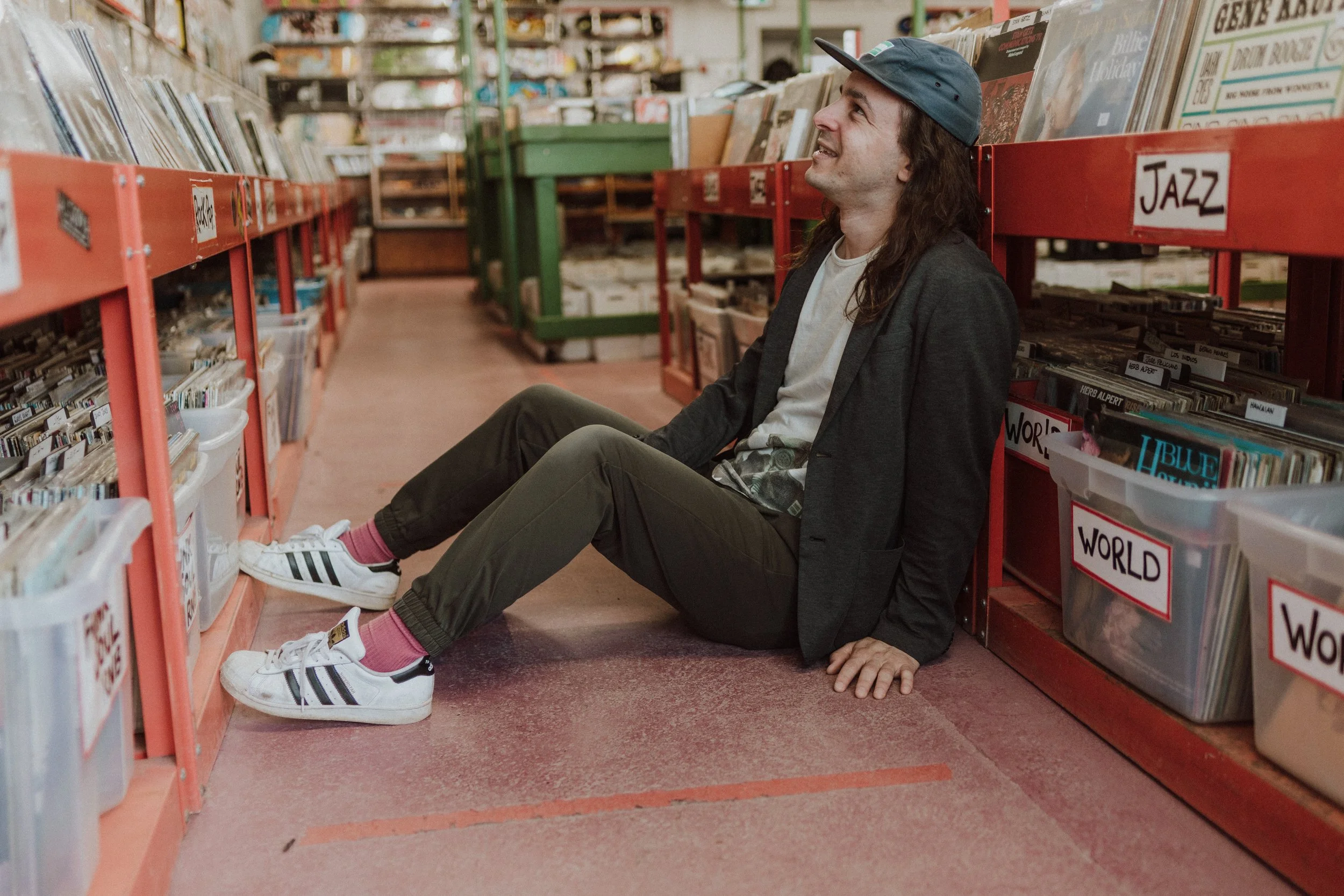
Image Description: DJ Seith sits in a record store. He smiles as he relaxes between the rows and rows of records. He wears a ball cap and his long hair is loose around his shoulders.
Workshop Description: 'RAPP BNGO: Making Room For Play' is the story of a small idea which grew into a fresh take on the DJ mix as an interactive platform.
Join award-winning DJ and producer Seith as he explores the creation of the fan-favourite live performance RAPP BNGO, a combination DJ mix and playable game of bingo.
'RAPP BNGO: Making Room For Play' explores creating in isolation, reflecting on purpose in practice, challenges and opportunities in approaching an
underrepresented art form in your community, and how new platforms for success can be built right at home with some out-of-the-box thinking and creative problem-solving.
Attendees will find value in learning about the path that RAPP BNGO took to grow and adapt to its current form, the lessons learned along the way, and the important role that audience feedback plays in developing a show.
Facilitator Bio: Armed with a crate of dusty records, turntables and beat machines, DJ Seith has been constructing psychedelic musical journeys through hip-hop, funk, soul, rock and disco for the better part of two decades. Winner of the 2024 Village Media Community Builders Award for the Arts, Seith’s natural charisma behind the decks and ability to engage crowds of all sizes has earned him stages alongside A Tribe Called Red, My Son The Hurricane, Moka Only and Choclair, and garnered him the opening ceremony duties at #youthesoo 2017, performing for over 5000 youth. His latest release, "True Taxi In Gentle Rain" EP saw support from CBC Radio, Joyful Union Cassette Resource and Beat-Tape Co-Op, and was a featured release on Skratch Bastid's "Tuesday Morning Coffee" stream.
Susanne Larner
Building Success Through Strong RURAL Partnerships
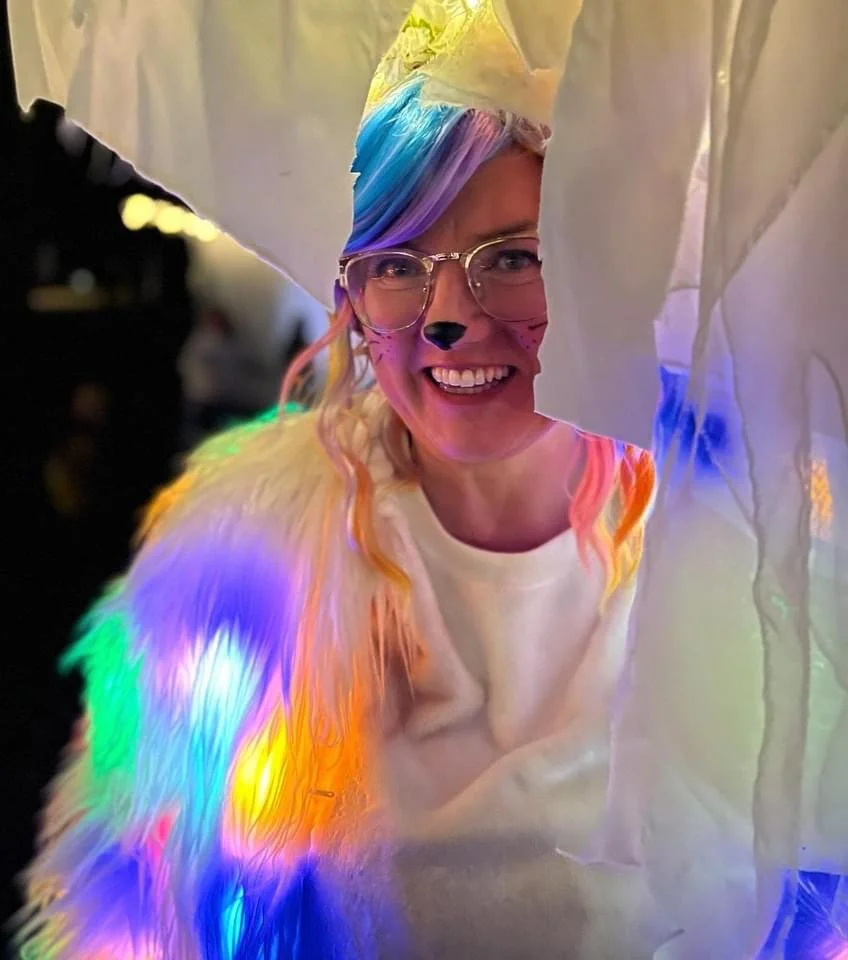
Image Description: The artist smiles through layers of white, translucent fabric, wearing glasses, subtle animal-style face paint, and a pastel rainbow wig. Her white, fluffy costume glows with soft multicoloured lights, creating a playful, magical nighttime festival scene
Workshop Description: Behind every successful festival or performance lies a web of strong partnerships. In this workshop, I will share challenges and successes of staging multi-arts events in rural and remote communities — where funding is lean, community engagement and event organization are constant hurdles, yet creativity thrives. Together, we will explore practical strategies for municipal buy-in, building lasting relationships, and securing support that sustains growth. Through peer sharing and collaborative activities, this session will inspire attendees to harness partnerships as a driving force for igniting passion, ideas, and future successes in their own communities.
Facilitator Bio: Susanne Larner is a rural-based artist, festival organizer, educator, and community animator whose work illuminates the intersections of art, the natural world, and collective celebration. Co-founder of the Department of Illumination’s Firelight Lantern Festival and founder of the Twilux Lantern Parade, she has also contributed to festivals across small-town Ontario, such as Nuit Blanche North, Puppet’s Up, Halton Hill’s Winter Solstice and numerous others. Her community engaged practice spans puppetry, art for film, murals, set design, and immersive public art, often bringing giant puppets to life. Susanne’s projects stir the imagination, embrace inclusion, and bridge our vast distances, proving that rural communities can shine brightly through creativity and collaboration.
Lindsay Fisher & Rachel Marks - Creative Connector
Accessibility as Everyday Practice for Presenters
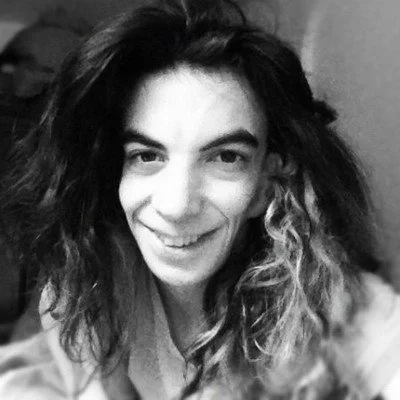
Image Description: Black and white image of a white female presenting person with long curly dark hair and dark eyebrows.
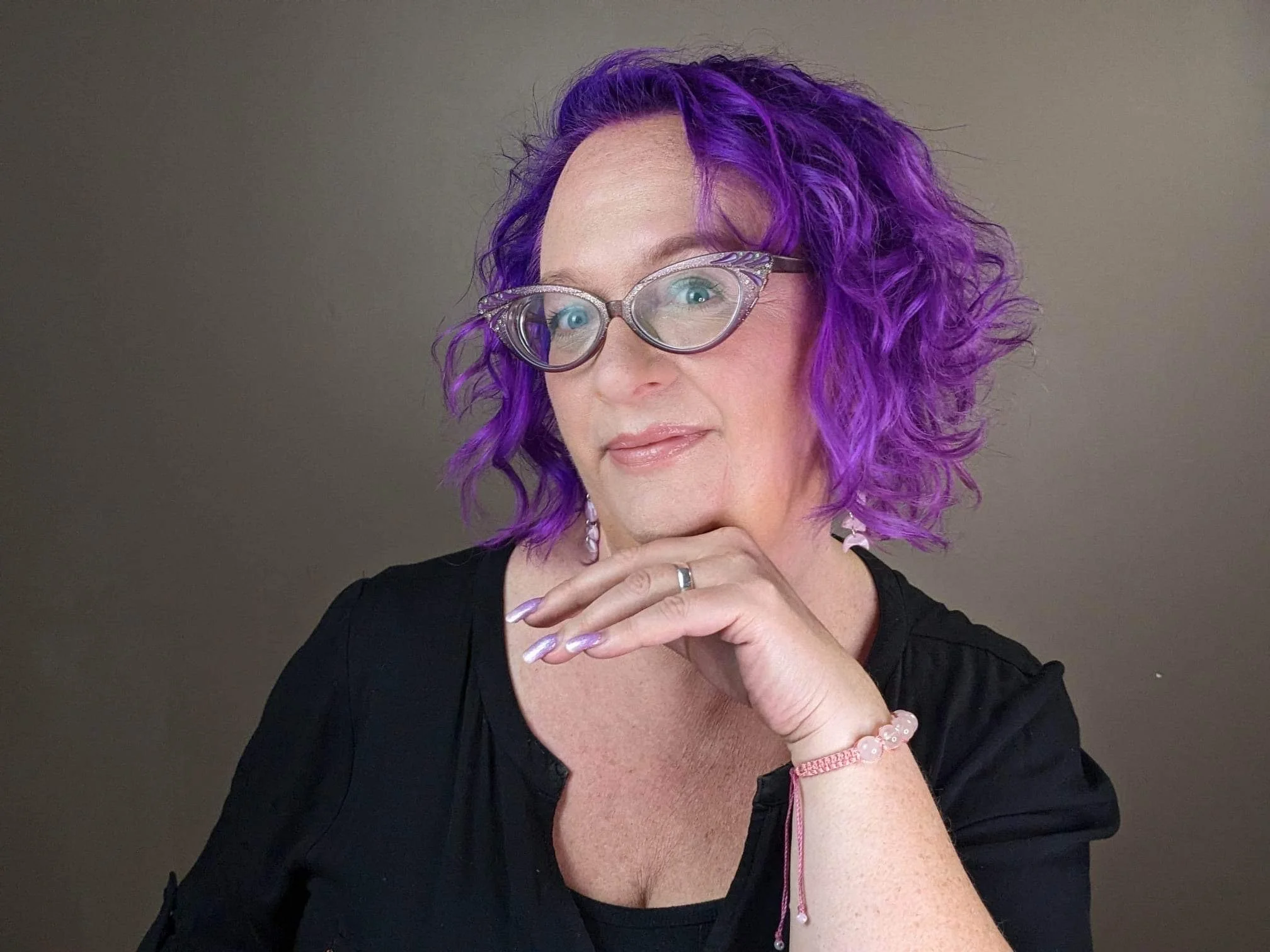
Image Description: Rachel rests her head on her hand - she is trying desperately to bring this pose back! Her short hair is bright purple and matches her sparkly cats-eye glasses.
Workshop Description: As arts presenters and administrators, many of us want to make our work more accessible, but struggle with where to start, how to sustain it, and how to feel confident we’re doing the right thing. Accessibility can easily feel like a checklist, a burden on limited budgets, or something to address during or after the program is planned. But for Disabled artists and audiences, accessibility is not an add-on — it’s what makes participation possible.
In this session, Lindsay Fisher of Creative Connector and Rachel Marks draw on their lived and professional experience in access and Disability arts to explore what it means to embed accessibility as an everyday practice. Together, they developed The Access Playbook, a pilot program that supports arts presenters in rural regions to move beyond compliance and into a place of confidence, creativity, and relationship-building.
The Access Playbook emerged from working alongside presenters who were candid about their fears and barriers: What if I get it wrong? What if I can’t afford it? Where do I even start? Lindsay and Rachel will share how these questions shaped The Access Playbook’s resources and lessons — from simple, actionable tools like creating an access guide or auditing a venue with fresh eyes, to confidence-building supports and peer learning cohorts.
Facilitator Bios: Lindsay Fisher is a deaf artist, designer, community builder, and the Founder of Creative Connector, a national arts service organization dedicated to cultivating a thriving, connected, and resourced community of Deaf and Disabled creatives. Her leadership includes creating The Access Playbook, a disability-led training program that supports arts presenters and organizations to embed accessibility into their everyday practices. By shifting how institutions understand and approach access, the Playbook helps create conditions where Deaf and Disabled artists can participate, lead, and build lasting community within the arts sector.
Rachel Marks is the Executive Director of Réseau SPARC Network (Supporting Performing Art in Rural and Remote Communities) and a Relaxed Performance & Accessibility Consultant, working with companies like the Toronto Symphony Orchestra, The National Ballet of Canada, Stratford Festival, and others to welcome Deaf & Disabled audiences and artists to their work. In 2022 Rachel curated and facilitated a 6 session learning series with Orchestras Canada, Ontario Presents and Réseau Ontario, on Accessibility for the Arts. Rachel has spoken at IETM (Belgrade; Disability and Working Conditions in the Arts, 2022), Ticketing Professionals 2023 (Birmingham; Arts Access), Out the Woods Festival 2024 (Cape Town; Relaxed Performances) & DIScover 2025 (Toronto, ON).